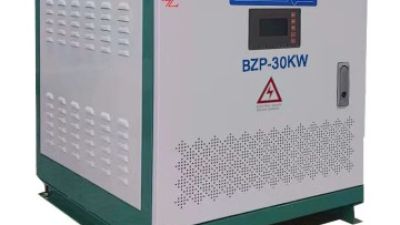
Picking the right Low Frequency Inverter for your project can actually be pretty tricky. I mean, it’s not always clear-cut, right? Industry expert John Smith, who's the CEO over at PowerTech Solutions, puts it simply: "Knowing exactly what you need is key when it comes to choosing the right inverter." That really drives home how important it is to go for a solution that's tailored to your particular situation.
Low Frequency Inverters play a big role in certain areas, like renewable energy setUPS or industrial automation. They’re quite different from high-frequency inverters—especially when it comes to performance and efficiency. Getting the right one can really make a difference in how you manage energy and, ultimately, save some money. But here's the thing—lots of folks don’t always fully understand what they actually need, which can lead to things running less smoothly.
Take a look at options like the Touchscreen Digital Variable Frequency Ultra-Low Frequency Generator. It’s super important to think about details such as your load requirements and the environment where it’ll be used. Sometimes people overlook those points, and that’s when performance can suffer. By giving some extra thought to these factors, you’re more likely to make a smarter choice that will give you better reliability in the long run.
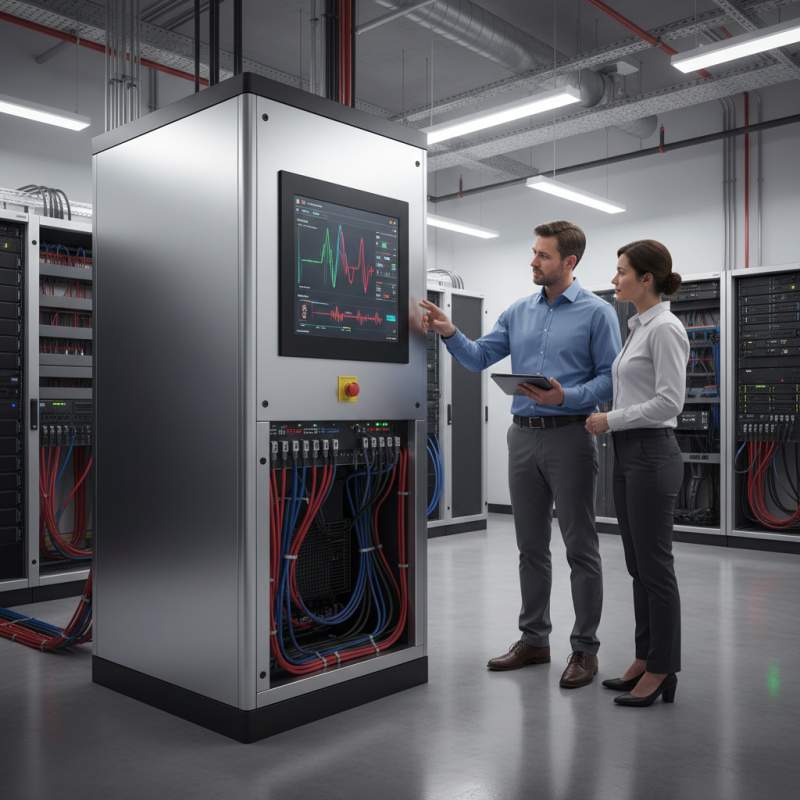
Understanding Low Frequency Inverters and Their Applications
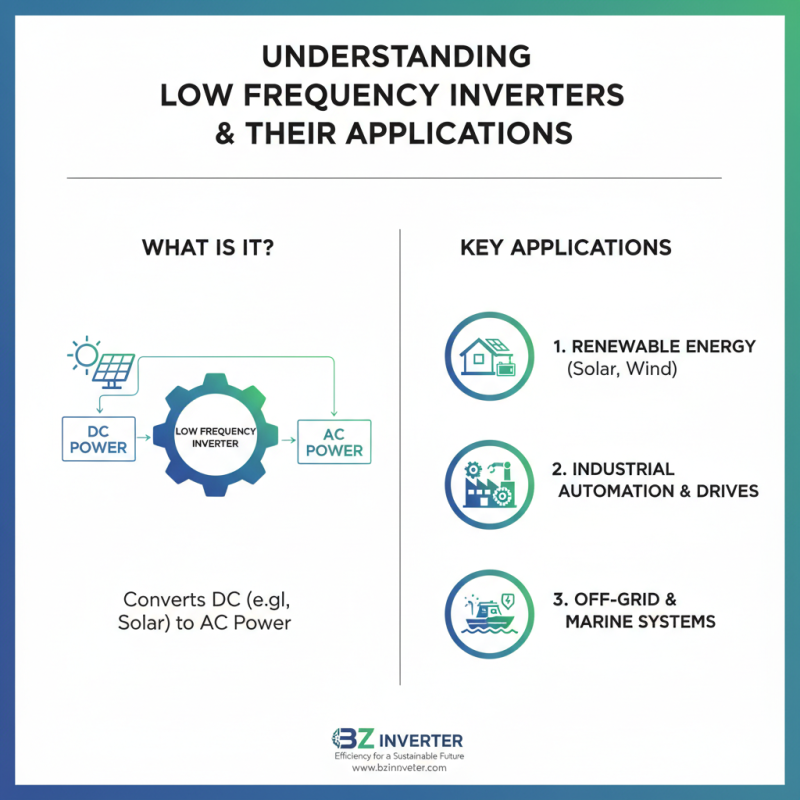
Low Frequency Inverters are crucial for various applications. They convert DC power to AC power efficiently. Understanding their working mechanism is beneficial. They are often used in renewable energy systems, like solar panels. Businesses also rely on them for automation and industrial drives.
Selecting the right low frequency inverter can seem daunting. You must consider the power requirements of your devices. The output waveform quality and load compatibility matter too. Balancing performance with budget is essential. It’s worth noting that some might prioritize cost over efficiency. This can lead to inadequate performance in demanding scenarios.
Other factors include installation and maintenance. Some inverters may require professional setup, which adds to costs. Proper sizing and knowledge of your electrical needs are necessary. Customers often overlook this, leading to poor choices. A well-informed decision can enhance the longevity and reliability of your system.
Evaluating Your Power Requirements for Inverter Selection
Choosing the right low frequency inverter is crucial for meeting your specific energy needs. Evaluating your power requirements is the first step in this process. Begin by calculating the total wattage of all devices you plan to power. Consider appliances that require startup power. For example, a refrigerator may need a higher wattage at startup than during regular operation.
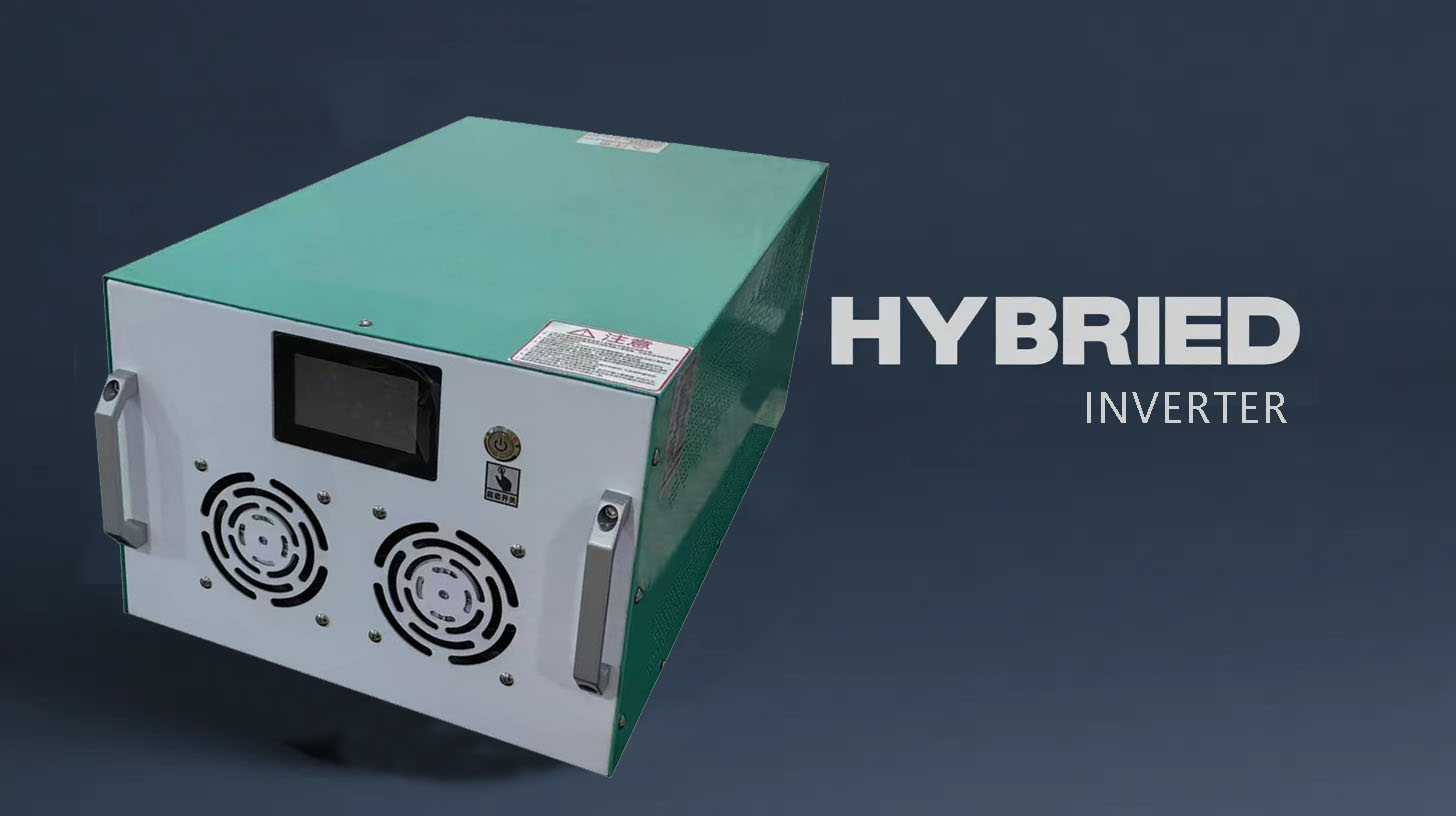
When assessing your power needs, think about peak and continuous loads. A reliable inverter should handle both without any hiccups. If you plan to run multiple devices, add their wattages for a clear total. For instance, a 48v 10kw Low Frequency Power Inverter can handle substantial loads, making it suitable for homes and small businesses.
Tips: Always account for additional capacity. A buffer of around 20% can provide safety against unexpected surges. Identify non-essential devices that can be turned off during peak use. Lastly, regularly reassess your needs. Changes in your lifestyle or technology can impact your power requirements. Unpacking these details makes your inverter choice much more informed and effective.
Power Requirements for Low Frequency Inverters
Key Features to Consider in Low Frequency Inverters
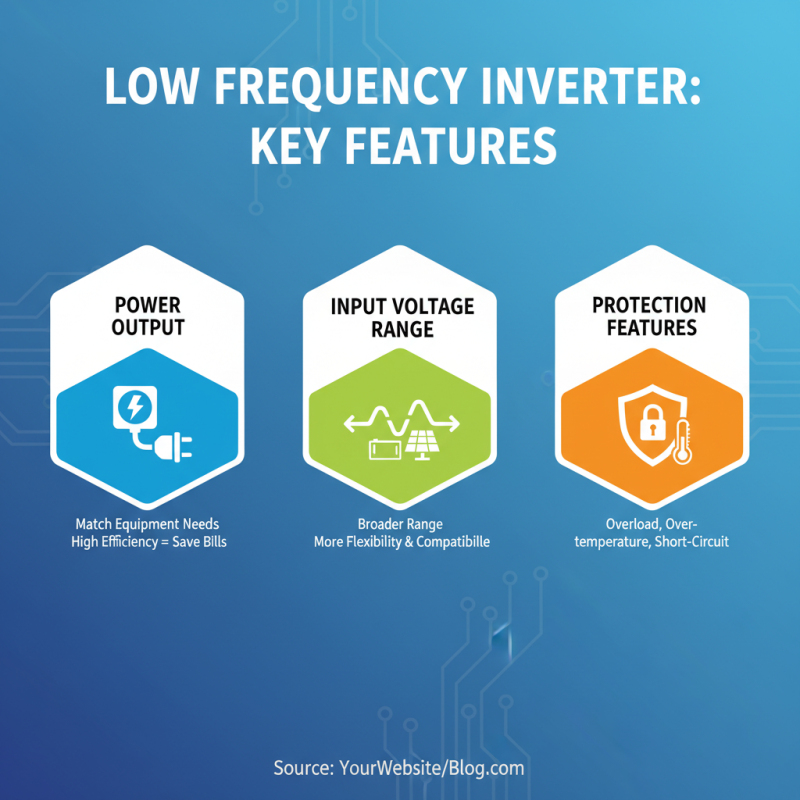
When choosing a low frequency inverter, several key features demand attention. First, consider the power output. Ensure it matches your equipment needs. High efficiency ratings can save you on electricity bills over time. Another aspect is the input voltage range. A broader range offers more flexibility and compatibility with various power sources.
Thermal management is crucial. An inverter that runs hot may not sustain long-term performance. Look for built-in cooling systems to mitigate heat issues. Also, pay close attention to the inverter's durability. A Low frequency explosion proof inverter is essential for environments with potential hazards.
User-friendliness matters too. A clear display and intuitive controls enhance usability. Some models include monitoring features for real-time performance insights. Not all features may suit every application, so evaluate your specific needs. Finally, consult user reviews and expert opinions to guide your decision. These insights can reveal strengths and weaknesses not apparent from specifications alone.
Comparing Different Brands and Models of Low Frequency Inverters
When comparing different brands and models of low frequency inverters, it's crucial to focus on key specifications and performance metrics. Studies show that high efficiency and reliability are paramount for optimal performance. According to industry data, some of the leading models offer efficiency ratings above 90%. However, not all inverters achieve this standard. Performance consistency can fluctuate widely depending on environmental factors and usage scenarios.
When evaluating low frequency inverters, consider the inverter's output capacity and the load requirements. Many models provide a range of power outputs, typically from 1,000 watts to over 5,000 watts. Selecting a model that aligns with your needs can prevent issues like overheating or malfunctioning. It's also important to examine user reviews and industry ratings. Some inverters may excel in specific applications but underperform in others. Look for detailed feedback from users who have tested these devices in real-world conditions.
Tips for making the right choice: Always check thermal management features. Good ventilation can extend the life of the inverter. Moreover, warranty and customer support are vital. A reliable company backs its products with quality service. When choosing a Low Frequency Car Inverter, consider its size for portability and installation ease. An inverter's weight may affect where you can use it, especially in vehicles.
Assessing Energy Efficiency and Performance Ratings
When selecting a low frequency inverter, energy efficiency is crucial. Look for units with high-performance ratings. A well-rated inverter can save you money in the long run. Check the specifications for the efficiency percentage. Many models claim high efficiency but don’t deliver.
Performance ratings indicate how well an inverter converts energy. A quality inverter minimizes energy loss. Pay attention to the inverter’s output waveform. Pure Sine Wave Inverters tend to perform better than modified sine wave types. Yet, modified models may be cheaper and adequate for less sensitive appliances.
User feedback is essential. Collect reviews and real-world experiences. Some users report discrepancies between advertised and actual efficiency. This highlights the importance of thorough research. Don't rush your decision-making. Consider your specific needs for optimal performance and energy savings.
Budgeting for Your Low Frequency Inverter Purchase
When budgeting for a low frequency inverter, determine your total expenditure first. Consider not just the initial purchase cost. Installation fees, maintenance, and potential upgrades may add to your budget. Skimping on these aspects can lead to issues down the line.
Next, think about your power needs. Calculate the wattage required for your devices. This will help you choose a model that meets your demands without unnecessary extra costs. Don't overlook the importance of quality. Cheaper models may seem appealing, but they often lack reliability. Research makes the difference.
Be prepared for variability in pricing. Prices can fluctuate based on features and specifications. It might be tempting to go for the lowest option. Yet, never compromise on quality. Consider warranties and customer support, as these add long-term value. A thoughtful approach now leads to significant savings and efficiency later.
Maintenance and Support for Your Inverter Choice
Choosing the right low frequency inverter is crucial, but ongoing maintenance plays a key role too. Regular check-ups extend the lifespan of your inverter. Simple tasks like cleaning dust and checking connections can make a big difference. It’s easy to overlook these, but they are essential for optimal performance.
Understanding your inverter's needs can be complex. Each model has unique specifications. Reading the manual or consulting with a specialist is often necessary. They can guide you on how to maintain specific components effectively. Remember, improper maintenance can lead to inefficiencies or even damage.
Consider the availability of support. Reliable maintenance services can save you time and money in the long run. Look for providers with a good track record. They should offer timely assistance and detailed troubleshooting guides. Investing time in understanding these aspects ensures that you make an informed decision, ultimately enhancing your experience.
How to Choose the Best Low Frequency Inverter for Your Needs? - Maintenance and Support for Your Inverter Choice
| Feature | Description | Importance |
| Power Rating | Choose an inverter that matches your power needs, typically measured in watts. | Critical for ensuring devices operate effectively. |
| Input Voltage | Select based on your existing power source, usually 12V, 24V, or 48V. | Important for compatibility with batteries or solar systems. |
| Output Waveform | Choose between pure sine wave and modified sine wave based on device needs. | Essential for protecting sensitive electronics. |
| Efficiency Rating | Look for inverters with high efficiency to minimize energy loss. | Important for cost savings and maximizing battery life. |
| Safety Features | Check for overload protection, short circuit protection, and thermal shutdown. | Vital for user safety and device protection. |
| Size and Weight | Consider the portability needs; compact options may be preferred for mobile use. | Important for installation flexibility and ease of transport. |
| Warranty and Support | Look for extended warranties and reliable customer support options. | Essential for long-term reliability and peace of mind. |
Exploring the Benefits and Applications of Small Size Low Frequency Isolation Boat Inverters for Marine Power Solutions
In the realm of marine power solutions, the small size low-frequency Isolation Boat Inverter stands out as a high-performance device crucial for providing reliable energy. Its design utilizes low-frequency isolation technology, which employs a transformer to create a physical separation between the input and output. This feature is particularly advantageous in the harsh marine environment, where stability and reliability are paramount. The inverter ensures that power fluctuations and electrical noise are mitigated, thus safeguarding sensitive electronic equipment aboard vessels.
Another significant advantage of these inverters lies in their compact and lightweight design, making them ideal for boats with limited space. Despite their small footprint, they exhibit high efficiency and robust shock resistance, which are critical attributes for marine applications. These characteristics enable the inverters to perform effectively under varying operational conditions, ensuring that power supply remains consistent even in turbulent scenarios. As such, small size low-frequency isolated boat inverters play a vital role in enhancing the overall energy management systems on board vessels, ultimately contributing to safer and more efficient marine operations.
FAQS
: Add the wattage of all devices you plan to power. Include startup wattage for appliances like refrigerators.
Peak loads occur during startup. Continuous loads are the normal running wattage. Both should be considered for inverter selection.
Yes, a buffer of around 20% accounts for unexpected surges. This helps avoid overloading the inverter.
Check the efficiency percentage in specifications. High-performance ratings usually indicate better savings in the long run.
Pure sine wave inverters perform better, especially for sensitive devices. Modified sine wave inverters are typically cheaper.
User reviews reveal real-world performance and any discrepancies between advertised and actual efficiency.
Regularly reassess, especially with lifestyle changes or new technology. This ensures your inverter meets current power requirements.
Yes, this can help manage your power demands more effectively and protect your inverter.
Reflect on your power usage and needs. Investigate potential overloads or efficiency drops that may affect performance.
Conduct thorough research, collect user experiences, and carefully match the inverter’s specifications to your specific requirements.
Conclusion
When selecting a Low Frequency Inverter, it is essential to understand its applications and how it aligns with your power requirements. Evaluating your specific needs is the first step in identifying the correct inverter that can handle your power demands effectively. Consider key features such as output capacity, voltage regulation, and connectivity options, as these will significantly affect performance and usability.
Additionally, comparing various brands and models helps to make an informed decision based on energy efficiency and performance ratings. Budgeting appropriately for the purchase is crucial, as prices can vary widely across different options. Lastly, ensuring that reliable maintenance and support are available for your inverter choice will contribute to its longevity and efficiency in powering your devices. By following these guidelines, you can make a sound investment in a Low Frequency Inverter that meets your specific needs.